
Slide
Engineering Reliable Power & Automation Systems

Design. Manufacturing. Integration. Commissioning.
Industrial control panels and marine electrical systems built for performance and durability

previous arrow
next arrow

Marine Electrical Systems

Shipboard Electrical System Design

Shipboard Electrical System Design involves the planning, engineering, and integration of electrical systems used on marine vessels. This includes power generation, distribution, lighting, propulsion support systems, navigation equipment, and safety systems. The design process ensures compliance with international marine standards and classification societies, while also focusing on reliability, redundancy, and safety in harsh marine environments. Proper system design ensures efficient energy utilization, fault tolerance, and uninterrupted operation of critical onboard systems, even under extreme sea conditions.

Marine Control Panel Manufacturing

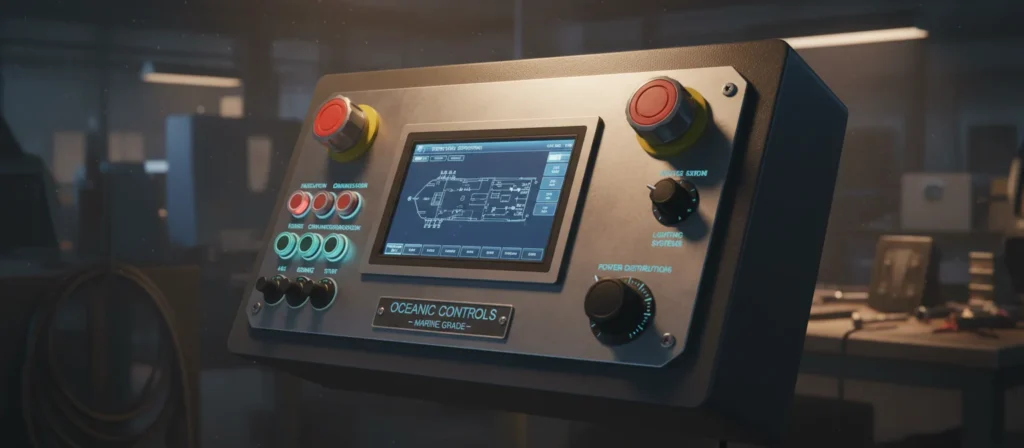
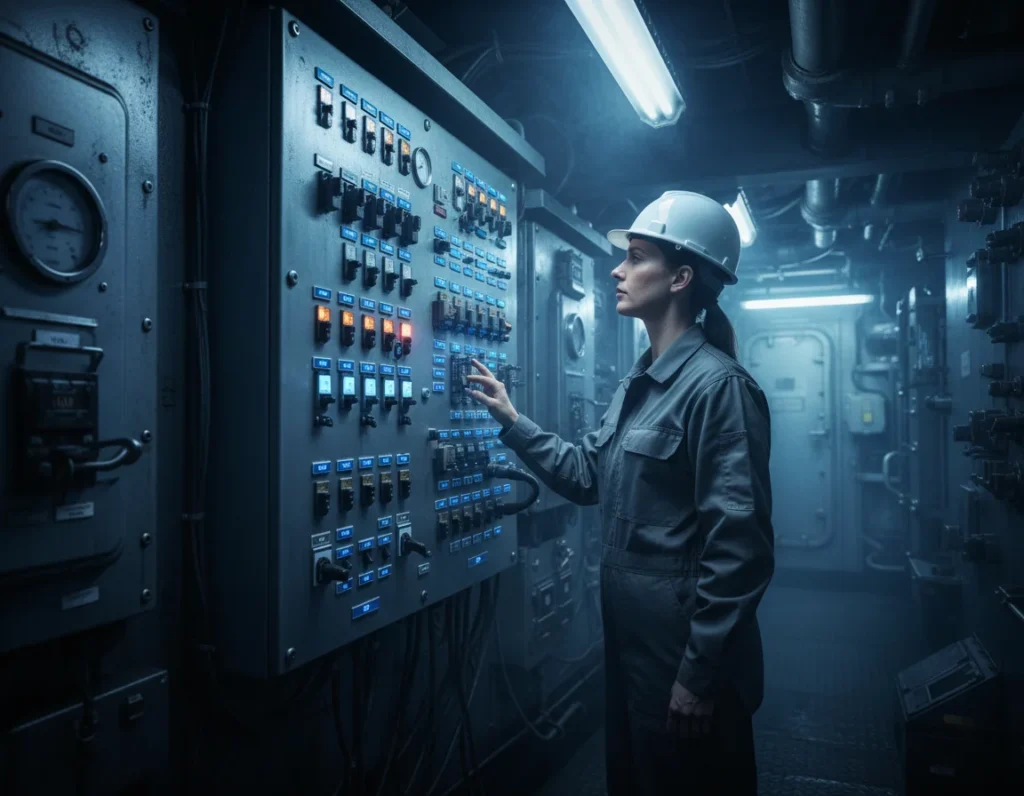
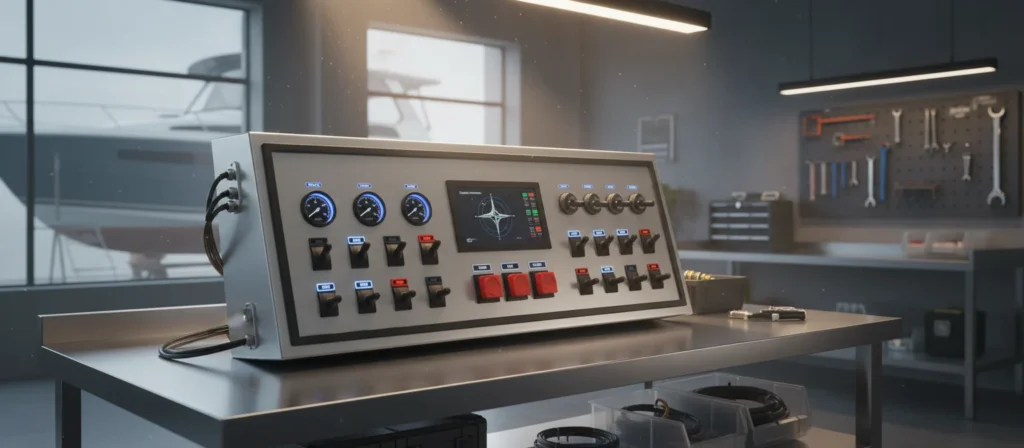
Marine Control Panel Manufacturing focuses on the design and production of control panels specifically built for marine applications. These panels are engineered to withstand harsh conditions such as humidity, salt-laden air, vibration, and temperature variations. They include components like circuit breakers, PLCs, relays, and monitoring instruments, all housed in corrosion-resistant enclosures. Marine control panels are used for controlling propulsion systems, auxiliary machinery, pumps, and onboard utilities. Strict quality standards and testing procedures are followed to ensure durability, safety, and long-term performance.

Power Management Systems (PMS)

Power Management Systems (PMS) are advanced control systems used on ships to monitor, control, and optimize power generation and distribution. PMS ensures efficient load sharing between multiple generators, automatic start/stop of generators based on demand, and protection against overload and faults. These systems enhance fuel efficiency, reduce operational costs, and improve overall reliability of the vessel’s power system. PMS also plays a crucial role in blackout prevention and recovery, ensuring continuous operation of critical systems onboard.

Integrated Automation System (IAS)

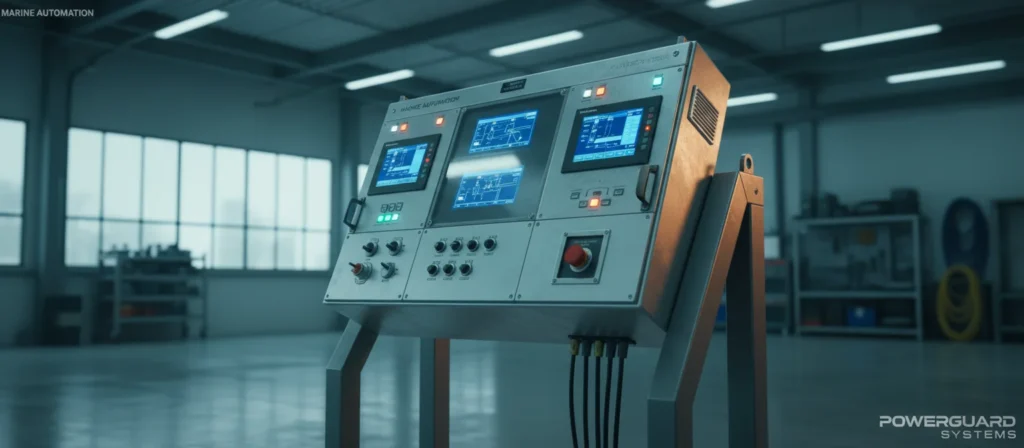
Integrated Automation System (IAS) is a centralized system that connects and controls multiple onboard processes and subsystems through a unified platform. It integrates machinery control, alarm monitoring, data acquisition, and control functions into a single interface, often accessible through Human-Machine Interfaces (HMIs). IAS improves operational efficiency by providing real-time monitoring, diagnostics, and automated responses to system changes or faults. It reduces manual intervention, enhances safety, and allows crew members to manage complex ship operations more effectively.

Onboard Installation & Commissioning

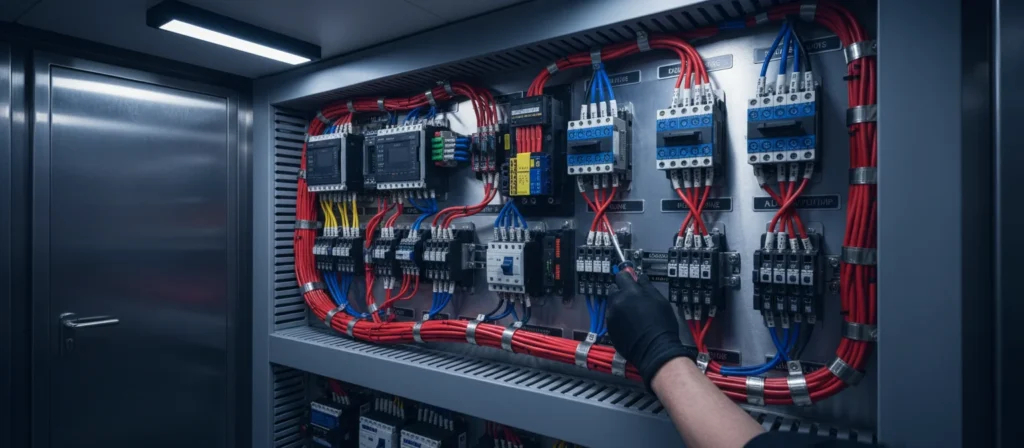
Onboard Installation & Commissioning involves the physical installation, testing, and validation of electrical systems and control panels on ships. This process includes cable laying, panel mounting, system integration, and ensuring proper connections with all onboard equipment. Commissioning ensures that all systems operate as intended through rigorous testing, calibration, and performance checks. It also involves troubleshooting, system optimization, and training of crew members. Proper installation and commissioning are critical for ensuring system reliability, safety, and compliance with marine standards.

Scroll to Top